Pet Care Basic
Looking to provide the best care for your furry friend? Look no further! In this comprehensive guide, we will cover all the pet care basics you need to know to keep your beloved companion happy and healthy. From nutrition and feeding to exercise, mental stimulation, grooming, and hygiene, we’ve got you covered.
When it comes to nutrition and feeding, understanding your pet’s dietary needs is essential. We’ll delve into the importance of a balanced diet, different types of pet food, and portion control to ensure your pet maintains a healthy weight.
Regular exercise is not just for humans. It is crucial for pets too! We will discuss the importance of physical activity for their overall well-being and share some creative ways to keep your pet active and entertained.
Mental stimulation is equally vital for pets, as it helps prevent boredom and behavioral issues. We’ll explore various enrichment activities and toys to keep their minds sharp.
Proper grooming and hygiene practices are important for your pet’s health and appearance. We’ll give you the lowdown on bathing, brushing, dental care, and more.
Lastly, we’ll touch on the precautions you should take to ensure your pet’s safety, around the home, such as plants and foods that may be toxic and items that you may not realize can wreak havoc if your pup decides to chew on and swallow.
And much more!

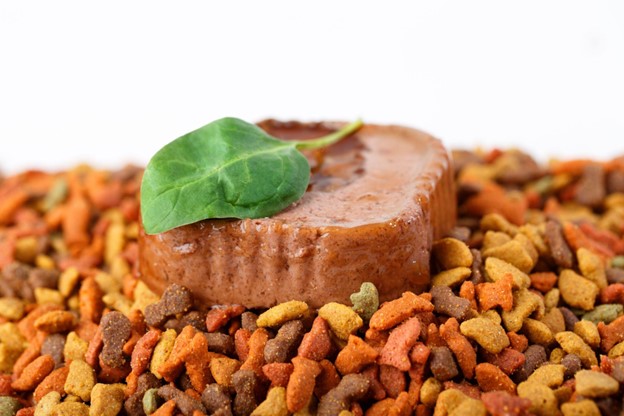
PROPER NUTRITION AND FEEDING
This is a very important topic and information for any pet owner to know and understand, what is put into your pets body helps to determine their health and longevity and effects just about every aspect of their lives, more than most people realize.
Commercial dog food companies often fail to meet the nutritional requirements for dogs due to several reasons. First, they often skimp on quality ingredients and opt for cheaper alternatives that may not provide the necessary nutrients. For instance, they may use fillers like corn, wheat, and soy, which can be hard for dogs to digest and offer limited nutritional value. Furthermore, these companies often try to deceive consumers by using vague terms like “real meat” on their packaging without clarifying that it can include low-quality parts like beaks or feet. This lack of transparency can mislead pet owners into believing they are providing a high-quality diet for their dogs.
It is crucial for dog owners to be aware of what they are feeding their pets because the food they consume directly impacts their overall health and well-being. A dog’s diet can affect various aspects of its life, including digestion, energy levels, skin allergies, shedding coats, and overall vitality. Poor-quality ingredients and inadequate nutrition can lead to stomach issues, such as diarrhea or constipation, as well as nutrient deficiencies that can result in a lack of energy and overall poor health.
Additionally, low-quality dog food can contribute to skin problems, such as dryness, itchiness, and allergies. Many commercial dog foods contain artificial additives, preservatives, and colors that can trigger allergic reactions in sensitive dogs. Moreover, the lack of essential nutrients like omega-3 fatty acids and antioxidants in these diets can lead to a dull, flaky coat and excessive shedding.
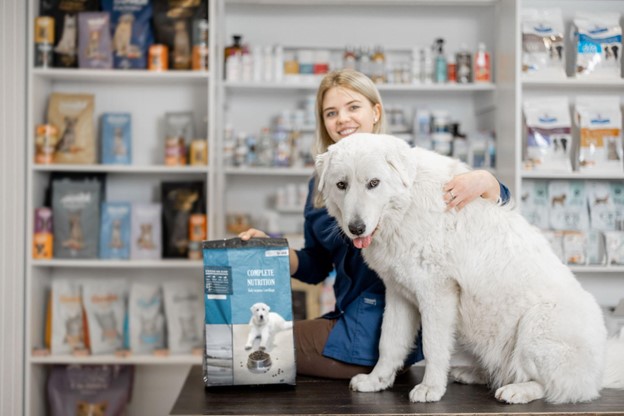
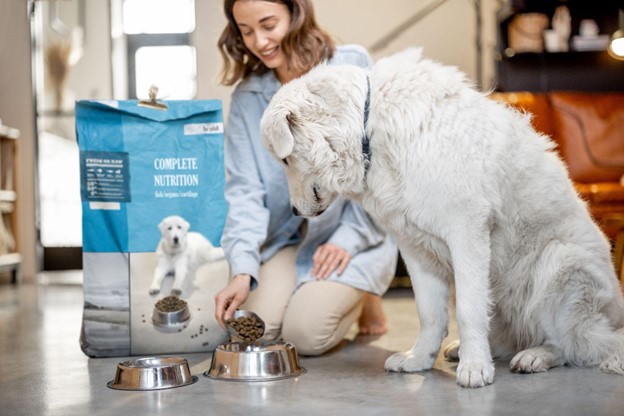
Furthermore, commercial dog foods often lack sufficient meat content. Dogs are primarily carnivorous animals, and their bodies require high-quality animal proteins for optimal health. While some commercial dog foods claim to have meat as the main ingredient, they often include meat by-products or unspecified meat sources, which can be of inferior quality or contain undesirable parts of the animal.
To ensure that their dogs receive the best possible nutrition, pet owners should consider feeding them high-quality, balanced diets that are made from real, whole food ingredients. Be aware of the ingredients and nutritional sources in the dog food that you feed your dog, there are dog food companies that make a genuine effort to supply the best possible food for your companions and there are companies who are serving up less than the bare minimum and like many other things, including our own food, you can expect to pay for what you get.
I can say that personally, I have found that making my pets food myself in batches that last about a month at a time in the freezer, actually costs me less than purchasing any of the premium brands, however, you also have to be willing to take the time and be diligent about providing the right required nutrients. It takes me an entire day to prepare enough food for four small dogs for a month worth the meals. I will also add a premium dry kibble to their meals periodically as well as it helps in keeping their teeth clean. I can also say that the benefits of feeding the home made food to my own dogs is visually apparent in just about 12 weeks with reducing the amount of shedding, scratching, the overall feeling of their coat, their eyes, as well as seemingly more consistent energy levels as well as fewer daily number twos to pick up, it seems as if their little bodies are actually able to better assimilate and actually use the food they way they were meant to.
I am not saying that everyone should make their dogs food themselves, that is not going to be possible for everyone, however, I do believe it is a good alternative for those who are capable of doing so. Consulting with a veterinarian or a canine nutritionist can help in selecting the right diet that meets the specific needs of individual dogs. By being aware of the ingredients and nutritional value of commercial dog foods, you can make informed choices and provide your furry companions with the nutrients they need to thrive. At the end of this article i will provide a basic guide to get you started on making your dogs food yourself, if you so choose to give it a try

Pet Care Basic
Proper nutrition and feeding are essential components of responsible pet ownership. The health and well-being of your furry friend largely depend on the quality and quantity of the food they consume. This module will explore the key aspects of pet nutrition and feeding, helping you make informed decisions to ensure your pet’s optimal health and happiness.
1: Understanding Pet Nutrition
1.1 Nutritional Requirements:
Every pet has specific dietary needs. Dogs, cats, birds, and small mammals all have different nutritional requirements. Understanding these needs is the first step in providing proper nutrition.
1.2 Macronutrients:
Macronutrients include proteins, carbohydrates, and fats. Learn how each of these nutrients plays a crucial role in your pet’s diet and overall health.
Macronutrients for a Balanced Dog Diet: Importance, Sources, and Percentages
Protein:
- Importance: Crucial for muscle development and overall health
- Good Sources: Meat, fish, eggs.
- Bad Sources: Low-quality fillers, excessive plant-based proteins.
- Percentage: Approximately 20-30% of a dog’s diet
Fat:
- Importance: Energy source, supports skin and coat health
- Good Sources: Chicken, pork fat, fish oil.
- Bad Sources: Excessive saturated fats, unhealthy cooking oils.
- Percentage: Around 10-15% of a balanced diet
Carbohydrates:
- Importance: Provide energy, aid in digestion
- Good Sources: Whole grains, vegetables.
- Bad Sources: High sugar content, excessive grains.
- Percentage: Can range from 30-70%, depending on factors like age and activity level
1.3 Micronutrients:
Micronutrients, such as vitamins and minerals, are vital for your pet’s well-being. Explore the significance of these elements in your pet’s nutrition.
Micronutrients for Optimal Dog Health: Importance and Sources
Vitamins:
- Importance: Essential for various bodily functions, including immune system support and vision
- Sources: Vitamin A, B, C, D, E, and K can be obtained from a balanced diet
Minerals:
- Importance: Play a crucial role in bone health, enzyme function, and overall well-being
- Sources: Minerals like calcium, phosphorus, and zinc are found in various dog-friendly foods
Amino Acids:
- Importance: Building blocks of proteins, necessary for tissue repair and growth
- Sources: Proteins derived from meat, fish, and eggs provide essential amino acids.
Good Food Sources for Essential Vitamins in a Dog’s Balanced Diet
Vitamin A: Sources: Carrots, spinach, liver, pumpkin, sweet potatoes, eggs, and turnip greens
Vitamin D: Sources: Fatty fish (salmon, mackerel), egg yolks, and liver
Vitamin E: Sources: Sunflower seeds, almonds, spinach, and broccoli
Vitamin K: Sources: Green leafy vegetables such as kale, spinach, and broccoli
B-complex vitamins Sources: Meat, poultry, fish, eggs, dairy, whole grains, and leafy greens
Calcium: Sources: Dairy products, fish, leafy green vegetables
Phosphorus: Sources: Meat, dairy, and legumes
Magnesium: Sources: Whole grains, nuts, and seeds
Potassium: Sources: Meat, fish, bananas, and sweet potatoes
Sodium: Sources: Naturally occurring in many foods, including meat and dairy products
Essential Amino Acids for Canine Health
Arginine: Sources: Meat, fish, and dairy products
Histidine: Sources: Meat, poultry, fish, eggs, and dairy products
Isoleucine: Sources: Meat, fish, and eggs
Leucine: Sources: Meat, poultry, fish, eggs, and dairy products
Lysine: Sources: Meat, fish, and dairy products
2: Selecting the Right Food
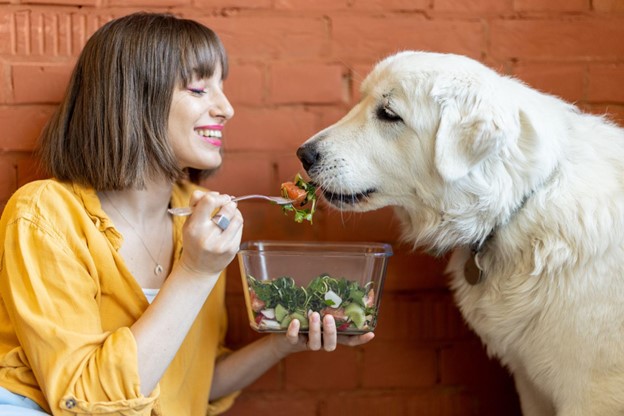
2.1 Commercial Pet Food:
Understand the various types of commercial pet foods available, including dry kibble, canned, semi-moist, and raw diets. Learn how to choose the right one for your pet.
Understanding Commercial Pet Food: A Guide to Choosing the Right Type for Your Pet When it comes to feeding our beloved pets, commercial pet food is the most popular choice for many pet owners. The market is flooded with various types of commercial pet foods, including dry kibble, canned, semi-moist, and even raw diets. Each type has its own advantages and disadvantages, and it’s important to understand them in order to make an informed decision about what to feed your furry friend.
Dry Kibble:
Dry kibble is the most common type of commercial pet food. It is convenient, easy to store, and often more affordable compared to other types. Dry kibble also helps maintain dental health by reducing plaque and tartar buildup. However, it typically contains more carbohydrates and less moisture, which may not be ideal for pets with specific dietary needs or those prone to dehydration. Additionally, some dry kibble brands may contain fillers or artificial additives.
Canned Food:
Canned pet food is known for its high moisture content, making it an excellent choice for pets who need extra hydration or have dental issues. It often contains higher-quality ingredients and a more appealing taste for picky eaters. However, canned food can be more expensive and has a shorter shelf life once opened. It may also contribute to dental issues if not supplemented with dry kibble or regular dental care.
Semi-Moist Food:
Semi-moist pet food is a middle ground between dry kibble and canned food. It usually comes in small, pre-packaged portions and has a chewy texture that pets find appealing. Semi-moist food is convenient, doesn’t require refrigeration, and can be easily portioned. However, it often contains higher levels of preservatives and artificial flavors to maintain its texture and taste, which may not be suitable for pets with certain health conditions.
Raw Diets:
Raw diets, also known as “BARF” (biologically appropriate raw food) diets, consist of uncooked meat, bones, fruits, and vegetables. Proponents of raw diets believe that it closely mimics what pets would eat in the wild and offers numerous health benefits, including improved digestion and reduced allergies. However, raw diets can be expensive, time-consuming to prepare, and may pose a risk of bacterial contamination if not handled properly. It’s crucial to consult with a veterinarian before considering a raw diet for your pet.
Freeze-Dried Foods:
In recent years, freeze-dried pet food has gained popularity as an alternative to traditional commercial pet food. Freeze-dried food retains the nutritional value of raw food while eliminating the safety concerns associated with handling raw meat. It is lightweight, doesn’t require refrigeration, and can be easily rehydrated for pets who prefer wet food. However, freeze-dried food can be more expensive than other options and may not be readily available in all pet stores.
Choosing the right type of commercial pet food for your furry companion is essential for their overall health and well-being. Consider factors such as your pet’s specific dietary needs, budget, convenience, and any underlying health conditions. It’s always a good idea to consult with your veterinarian to determine the most suitable option for your pet. Whether you opt for dry kibble, canned food, semi-moist food, raw diets, or freeze-dried food, providing a well-balanced and nutritionally complete diet is key to keeping your pet healthy and happy.
2.2 Reading Labels:
Unravel the secrets behind pet food labels. Discover how to interpret ingredient lists and nutritional information to make informed choices.
Decoding Pet Food Labels: A Guide to Making Informed Choices
Understanding pet food labels is crucial for making informed choices about your furry friend’s nutrition. Here’s a comprehensive guide to unravel the secrets behind pet food labels and empower you to provide the best for your pet:
This is something that is very easy to do and only takes a moment while you shopping for your dogs food. It feels rather empowering to have this knowledge.
1. Scan the Ingredient List:
Ingredients are listed in descending order by weight. Look for whole, named protein sources like chicken or beef at the top, ensuring your pet gets quality protein, if the first ingredient is ground corn, then that is what there is the most of in the food.
2. Grasp the Guaranteed Analysis:
This section outlines the minimum and or maximum percentages of key nutrients. Keep in mind, if it states minimum, there is no guarantee of the maximum and vice versa.
3. Check the Nutritional Adequacy Statement:
Look for a statement indicating the food is complete and balanced for a specific life stage, ensuring it meets your pet’s nutritional requirements.
4. Mind the Manufacturer’s Information:
Know the company behind the product. A reputable manufacturer with transparent information is more likely to offer a quality product.
5. Look Beyond Marketing Terms:
Decoding Pet Food Labels: Understanding the Significance of Product Names
The label on your pet’s food isn’t just a catchy marketing strategy—it holds vital information about the product’s composition. Delving into the nomenclature can unveil crucial details about the ingredients, helping you make an informed choice as a pet owner. Brands often strategically feature a key ingredient in the product name to appeal to consumers who prioritize specific elements. However, understanding the rules set by the Association of American Feed Control Officials (AAFCO) can empower you to decipher these labels effectively. Here’s a breakdown of the AAFCO rules that shape the names of pet food products:
1. The 95 Percent Rule:
To meet this rule, a product named, for instance, “Chicken for Dogs” must contain a minimum of 95 percent chicken. Additionally, the primary ingredient must constitute at least 70 percent of the total product when considering added water. The remaining 5 percent includes essential nutritional elements like vitamins and minerals.
2. The 25 Percent Rule:
Products like “Beef Dinner for Dogs” or “Chicken and Sweet Potato Entrée” fall under this rule. If the named ingredients make up at least 25 percent of the product (excluding water for processing) but less than 95 percent, qualifying terms like dinner, entrée, or platter must be included in the product name. Even with added water, the named ingredients should still contribute 10 percent to the product.
3. The “With” Rule:
A product labeled as “Doggie Dinner With Beef” need only contain a minimum of 3 percent of the “with” ingredient. The addition of the term “with” significantly alters the percentage requirement for that specific ingredient, emphasizing the importance of scrutinizing product names closely.
4. The Flavor Rule:
As per the U.S. Food and Drug Administration (FDA), a product like “Beef Flavor Dog Food” doesn’t necessitate a specific percentage of beef. However, it must contain enough of the ingredient to be detectable. The term “flavor” should be presented on the label in the same size, style, and color as the named ingredient, ensuring transparency.
Understanding Dog Food Ingredient Terms
When reading dog food labels, it’s essential to grasp various ingredient terms to make informed choices for your pet’s nutrition. I find this area particularly interesting, and it is one you should pay additional attention to
If you would like to know about the fillers used in dog food and the processing they use for those fillers that determine the potential nutritional quality and quantity and how each different process affects the overall price
That we pay for the food.
By-Product: Definition: Clean, non-rendered, parts other than meat derived from slaughtered animals. This can include organs, blood, and more.
By-Product Meal: Definition: Ground, rendered, clean parts of animals, excluding meat. It can include organs and bones, providing a concentrated protein source.
Meat Meal: Definition: Similar to by-product meal but sourced from the meat of animals. It’s a concentrated protein source and can include muscle tissue, organs, and bones
Ground: Definition: Indicates the ingredient is ground into small particles. For example, “ground rice” refers to rice that has been finely ground
Meal: Definition: Ingredients, including by-product meal and meat meal, that are cooked, ground, and dried to form concentrated protein sources
Animal By-Products: Definition: Clean parts other than meat, derived from slaughtered animals. This includes organs, blood, and more. The term “clean” implies it does not contain hair, hooves, or other undesirable parts
Ground Rice, Ground Corn, etc.: Definition: Ingredients that have been milled or processed into small, coarse particles. “Ground” indicates a specific mechanical processing method
2.3 Home-Cooked and Homemade Diets:
Explore the pros and cons of preparing homemade meals for your pet. Understand the importance of consulting with a veterinarian or pet nutritionist before attempting this. As pet owners, we want to provide the best possible care for our furry friends. One aspect of their well-being that often comes into question is their diet. While commercial pet foods are widely available, many pet owners are opting to prepare homemade meals for their pets. In this article, we will explore the pros and cons of preparing homemade meals for your pet and emphasize the importance of consulting with a veterinarian or pet nutritionist before attempting this dietary change.
Pros of Preparing Homemade Meals for Your Pet:
Control over Ingredients:
By preparing homemade meals, you have complete control over the ingredients that go into your pet’s food. You can choose high-quality, fresh ingredients that meet your pet’s specific dietary needs. This is especially beneficial for pets with allergies or sensitivities to certain ingredients commonly found in commercial pet foods.
Customized Nutrition:
Homemade meals allow you to tailor your pet’s diet to their individual needs. You can adjust the proportions of proteins, carbohydrates, and fats according to their age, breed, activity level, and any underlying health conditions. This personalized approach ensures that your pet receives the optimal nutrition to support their overall well-being.
Increased Palatability:
Some pets may have a difficult time accepting or digesting certain commercial pet foods. Homemade meals often prove to be more palatable, enticing even the pickiest eaters. The variety of flavors and textures offered in homemade meals can make mealtime more enjoyable for your pet.
Transparency and Quality:
Preparing meals for your pet allows you to know exactly what they are consuming. This transparency helps ensure that your pet’s food is free from harmful additives, preservatives, or fillers that may be present in some commercial pet foods. You can prioritize organic, human-grade ingredients, promoting a higher level of quality and safety.
Cons of Preparing Homemade Meals for Your Pet:
Nutritional Imbalance:
Creating a nutritionally balanced homemade meal for your pet can be challenging. It requires careful consideration of the necessary nutrients, vitamins, and minerals that your pet needs to thrive. Without proper knowledge or guidance, there is a risk of creating an imbalanced diet that can lead to deficiencies or excesses in certain nutrients.
Time and Effort:
Preparing homemade meals for your pet can be time-consuming and require a significant amount of effort. This includes planning, shopping for ingredients, cooking, and portioning meals. If you have a busy schedule or lack culinary skills, maintaining a consistent homemade diet for your pet may be difficult.
Expense:
Homemade pet meals can be more expensive than commercial pet foods. High-quality ingredients, especially if organic or human-grade, can add up quickly. Additionally, the cost of consulting with a veterinarian or pet nutritionist to ensure a balanced diet may also incur additional expenses.
Consulting with a Veterinarian or Pet Nutritionist:
Before embarking on a homemade pet food journey, it is crucial to consult with a veterinarian or pet nutritionist. They can provide valuable guidance and ensure that your pet’s nutritional needs are being met. They will assess your pet’s specific requirements, recommend appropriate ingredients, and help you create a balanced meal plan. This professional guidance will help you avoid potential pitfalls and ensure the long-term health and well-being of your pet.
Be aware that while your veterinarian has gone through years of schooling and is quite capable of treating your dog for its ailments and guiding you in keeping them happy and healthy, there is only so much information you can cover in that time and there is a reason that there are animal nutritionist certifications, these individuals are required to spend an additional two years studying after standard veterinary school and residency. Their ability to provide you with full and accurate detailed information about the nutritional requirements of your dog are going to be much higher with them than it will be with a veterinarian without that certification, in most cases. Some veterinarians take it upon themselves to self educate on topics they feel passionate about and there is no requirement for them to be certified if they decide to do that. Ask your Vet how they feel about being able to properly guide you in the matter or if they would prefer to refer you to a nutritionist, they will be honest with you and let you know what they think is best, after all their primary concern is the health and happiness of your pet.
Preparing homemade meals for your pet has its pros and cons. While it allows for better control over ingredients, customized nutrition, increased palatability, and transparency, it also comes with potential challenges such as nutritional imbalances, time constraints, and higher expenses. Consulting with a veterinarian or pet nutritionist is essential to address these challenges and ensure that your pet’s dietary needs are met. With proper guidance, homemade meals can be a healthy and rewarding choice for your pet’s overall well-being.
Further information on and a guide to Homemade Dog Food
Providing proper nutrition is essential for the overall health and well-being of our canine companions. While commercial dog food brands offer convenience, some dog owners prefer to prepare homemade meals for their furry friends. This article aims to educate readers about a dog’s general nutritional requirements, including protein, fats, fiber, carbohydrates, and other essential nutrients. By the end of this article, you will have the knowledge to create a basic homemade dog food recipe that meets your dog’s nutritional needs.
I. Protein:
Protein is a crucial component of a dog’s diet, as it supports muscle development, tissue repair, and overall growth. Dogs require high-quality protein sources such as lean meats (chicken, turkey, beef), fish, and eggs. Ideally, protein should make up around 25-30% of a dog’s diet.
II. Fats:
Fats are a concentrated energy source that provides essential fatty acids and aids in nutrient absorption. Healthy fats, such as those found in fish, flaxseed, and olive oil, should account for approximately 15-20% of a dog’s diet.
III. Fiber:
Fiber plays a vital role in maintaining a healthy digestive system for dogs. It promotes regular bowel movements and aids in weight management. Good sources of fiber include fruits, vegetables (carrots, green beans, pumpkin), and whole grains. Fiber should constitute around 2-4% of a dog’s diet.
IV. Carbohydrates:
Carbohydrates provide energy for dogs, but they should be included in moderation. Opt for complex carbohydrates such as brown rice, sweet potatoes, and quinoa, as they offer more nutritional value than refined grains. Carbohydrates should make up around 30-50% of a dog’s diet.
V. Essential Vitamins and Minerals:
To ensure a well-rounded diet, it is crucial to include essential vitamins and minerals in your dog’s meals. This can be achieved by incorporating a variety of fruits and vegetables into their diet. Some examples include blueberries, spinach, and broccoli. Consult with your veterinarian to determine the appropriate amounts for your dog’s breed and size.
VI. Importance of Seasonal Ingredients:
Using seasonal ingredients in your dog’s homemade meals offers numerous benefits. Seasonal produce is often fresher, more flavorful, and packed with higher nutrient levels. By varying your dog’s diet with seasonal ingredients, you can provide a wide range of essential nutrients and prevent dietary monotony. For example, in the summer, you can include watermelon or strawberries to provide hydration and antioxidants, while in the winter, you can incorporate squash or pumpkin for added fiber and vitamins.
Understanding a dog’s nutritional requirements is crucial for their health and well-being. By following the guidelines outlined in this article, you can create a basic homemade dog food recipe that fulfills their nutritional needs. Remember to consult with your veterinarian to ensure your dog’s individual requirements are met. Embracing seasonal ingredients allows you to provide a diverse and nutritious diet that keeps your furry friend happy and healthy throughout the year.)
3: Portion Control and Feeding Schedule
3.1 Portion Sizes:
Learn how to determine the appropriate portion size for your pet based on their age, size, and activity level. Overfeeding or underfeeding can lead to health issues.
Determining Portion Sizes for Dog Food: A Comprehensive Guide
Proper nutrition is essential for the overall health and well-being of our furry friends. One crucial aspect of canine nutrition is determining the correct portion size for their meals. Feeding your dog the right amount of food ensures they receive the necessary nutrients while maintaining a healthy weight. In this article, we will explore various factors that influence portion sizes, including life stages, activity levels, and nutrient requirements. We will also provide formulas and guidelines to help you determine the appropriate portion sizes for your dog’s specific needs.
Factors Affecting Portion Sizes
Several factors play a role in determining the right portion size for your dog. These include:
Life Stage: Puppies, adult dogs, and senior dogs have different nutritional requirements at each stage of their lives. Portion sizes need to be adjusted accordingly to meet their specific needs.
Breed Size: Small, medium, and large breeds have varying metabolic rates and growth patterns. This affects the portion sizes they require to maintain a healthy weight.
Activity Level: Highly active dogs, such as working dogs or those engaged in agility training, require more calories to fuel their energy expenditure. Conversely, less active or sedentary dogs require fewer calories to avoid weight gain.
Body Condition: Dogs with a lean body condition may require more food, while overweight or obese dogs need portion control to promote weight loss.
Health Conditions: Certain health conditions, such as diabetes or kidney disease, may necessitate specific dietary considerations. Consult your veterinarian for guidance on portion sizes if your dog has any health issues.
Calculating Portion Sizes
To determine the appropriate portion size for your dog, you can use the following formulas as a starting point. Remember, these are general guidelines, and individual variations may occur. Always monitor your dog’s weight and body condition to make necessary adjustments.
1. Maintenance Energy Requirements (MER)
The Maintenance Energy Requirement (MER) is the number of calories your dog needs to maintain its current weight. The formula for MER is as follows:
MER (kcal/day) = Body Weight (kg) x RER
For adult dogs: RER = 70 x (Body Weight in kg^0.75)
For puppies: RER = 70 x (Body Weight in kg^0.75) x Growth Factor
The growth factor varies depending on the puppy’s age:
2 to 4 months: 3.0
4 to 6 months: 2.0
6 to 12 months: 1.5
2. Adjusting MER for Activity Level
To account for your dog’s activity level, multiply the MER by the appropriate factor:
Sedentary/Low Activity: MER x 1.2
Normal Activity: MER x 1.5
Highly Active: MER x 2.0
3. Adjusting MER for Life Stage
Puppies: 2 to 4 months: MER x 1.6
Puppies: 4 to 6 months: MER x 1.4
Puppies: 6 to 12 months: MER x 1.2
Adult Dogs: MER x 1.0
Senior Dogs: MER x 0.8
4. Adjusting MER for Weight Management
To promote weight loss or gain, adjust the MER accordingly:
Weight Loss: MER x 0.8
Weight Gain: MER x 1.2
Nutrient Requirements
In addition to determining portion sizes, it’s important to ensure your dog’s diet meets their nutrient requirements. Here are some general guidelines for essential nutrients:
Protein: Dogs require high-quality protein for muscle development and repair. Protein should make up approximately 18-25% of the total caloric intake.
Fat: Fat is a concentrated source of energy and provides essential fatty acids. It should comprise around 10-15% of the total caloric intake.
Carbohydrates: While dogs don’t require carbohydrates as an essential nutrient, they can provide a source of energy. Complex carbohydrates from whole grains or vegetables are preferred over simple sugars.
Fiber: Adequate fiber helps regulate digestion and can prevent certain gastrointestinal issues. Aim for around 2-4% fiber in the diet.
Always consult with your veterinarian to determine the specific nutritional needs of your dog based on their breed, age, and health status. Regular monitoring and adjustments to portion sizes and nutrient content will help ensure your canine companion receives optimal nutrition throughout their life.
Remember, a balanced diet, portion control, and regular exercise are the pillars of a healthy and happy dog.
3.2 Feeding Schedule:
Establishing a regular feeding schedule is essential. Discover how often you should feed your pet and the importance of routine in their daily life.
Maintaining a Healthy Feeding Routine for Your Pet
Feeding your pet the right amount of food at the right time is crucial for their overall health and well-being. In this article, we will walk you through two important aspects of pet feeding: portion sizes and feeding schedules. By understanding how to determine the appropriate portion size for your pet and establishing a regular feeding schedule, you can ensure that your furry friend stays healthy and happy.
Section 1: Portion Sizes
Determining the appropriate portion size for your pet is essential to prevent health issues related to overfeeding or underfeeding. Here’s how you can determine the right portion size based on your pet’s age, size, and activity level:
1.1 Consider your pet’s age:
Puppies and kittens require more food compared to adult pets because they are still growing. As a general rule, consult your veterinarian to determine the ideal portion size based on your pet’s age.
1.2 Account for your pet’s size:
Larger pets generally require more food than smaller ones. Consider your pet’s breed and weight when determining the portion size. Be cautious not to overfeed them, as obesity can lead to various health problems.
1.3 Assess your pet’s activity level:
Active or working pets may require more calories to meet their energy needs. On the other hand, sedentary or older pets may need fewer calories. Adjust the portion size accordingly to maintain a healthy weight and energy balance.
Section 2: Feeding Schedule
Establishing a regular feeding schedule is vital for your pet’s overall well-being. Here’s why and how to create a feeding schedule for your furry friend:
2.1 Consistency is key:
Pets thrive on routine. A consistent feeding schedule helps regulate their digestion, maintain energy levels, and prevent behavioral issues. Aim to feed your pet at the same times every day.
2.2 Determine the frequency of feeding:
The frequency of feeding depends on your pet’s age and individual needs. Puppies and kittens generally require more frequent meals compared to adult pets. Discuss with your veterinarian to determine the appropriate feeding frequency.
2.3 Avoid free-feeding:
Free-feeding, where food is available at all times, can lead to overeating and weight gain. Instead, offer measured portions at designated meal times and remove any uneaten food after a specific period.
2.4 Monitor your pet’s behavior and adjust:
Observe your pet’s eating habits and adjust the feeding schedule if necessary. Some pets may prefer smaller, more frequent meals, while others may do well with larger meals. Pay attention to their appetite, energy levels, and overall health to make necessary adjustments.
Maintaining the right portion sizes and a regular feeding schedule is crucial for your pet’s health and well-being. By considering their age, size, and activity level, you can determine the appropriate portion size. Additionally, establishing a consistent feeding schedule helps regulate their digestion and energy levels. Remember to consult your veterinarian for personalized advice and monitor your pet’s behavior to make any necessary adjustments. With a healthy feeding routine, your pet will enjoy a happy and active life.
4: Special Dietary Considerations
4.1 Life Stage Nutrition:
Different life stages (puppy/kitten, adult, senior) require different diets. Understand how your pet’s nutritional needs change as they age.
Life Stage Nutrition:
Understanding Your Pet’s Changing Nutritional Needs
As pet owners, we want nothing but the best for our furry companions. Providing them with a balanced and healthy diet is crucial for their overall well-being. Just like humans, pets go through different life stages, each with unique nutritional requirements. Understanding how these needs change as your pet ages is essential for their long-term health and happiness.
Puppy/Kitten Stage:
The puppy or kitten stage is a critical period in your pet’s life. During this time, they experience rapid growth and development. Their nutritional needs are significantly different from those of adult or senior pets. Puppies and kittens require a diet that is high in protein, essential fatty acids, and minerals such as calcium and phosphorus. These nutrients support bone and muscle development, as well as cognitive function. Feeding them specially formulated puppy or kitten food ensures they receive optimal nutrition during this crucial stage.
Adult Stage:
Once your pet reaches adulthood, typically around one year for cats and one to two years for dogs, their nutritional needs change. At this stage, maintaining a healthy weight and providing balanced nutrition is key. Adult pets require a diet that is rich in high-quality proteins, healthy fats, and a balance of carbohydrates. The specific dietary needs may vary depending on the breed, size, and activity level of your pet. Consult with your veterinarian to determine the ideal portion sizes and nutrient composition for your adult pet’s diet.
Senior Stage:
As your pet enters their golden years, their metabolism slows down, and their activity levels may decrease. This change in lifestyle often leads to a decrease in muscle mass and an increase in body fat. Senior pets may also experience dental issues or have specific health conditions that require dietary adjustments. Senior pet foods are formulated to address these specific needs. They are lower in calories, higher in fiber, and contain added supplements such as glucosamine and chondroitin for joint health. Additionally, antioxidants and omega-3 fatty acids support cognitive function and aid in maintaining a healthy immune system.
Consulting with Your Veterinarian:
While understanding the general guidelines for each life stage is essential, it is crucial to consult with your veterinarian for personalized advice. Every pet is unique, and factors such as breed, size, weight, and overall health can influence their nutritional requirements. Your veterinarian will be able to assess your pet’s specific needs and recommend a suitable diet plan. Regular check-ups will also help monitor any changes in your pet’s health and adjust their diet accordingly.
Transitioning Between Life Stages:
When transitioning your pet from one life stage to another, it is important to do so gradually. Abrupt changes in diet can upset their digestive system and lead to gastrointestinal issues. Start by mixing a small amount of the new food with their current diet and gradually increase the proportion over a week or two. This gradual transition will allow their digestive system to adapt to the new food and reduce the risk of any adverse reactions.
Just like humans, pets have different nutritional needs at each life stage. Providing them with a diet that is tailored to their specific requirements is vital for their overall health and well-being. Understanding the nutritional needs of your pet during the puppy/kitten, adult, and senior stages will ensure they receive the optimal nutrition they need to thrive. Remember to consult with your veterinarian for personalized advice and make any dietary changes gradually to support your pet’s digestive system. By prioritizing life stage nutrition, you can give your pet the best chance at a long and healthy life.
4.2 Weight Management:
Address the issue of obesity in pets. Learn about the health risks associated with excess weight and how to manage your pet’s weight effectively.
Obesity in pets is a growing concern that affects millions of animals worldwide. Just like humans, pets can become overweight or obese due to a combination of factors such as overfeeding, lack of exercise, and genetic predisposition. The health risks associated with excess weight in pets are numerous and can have a significant impact on their overall well-being.
Firstly, obesity can lead to a variety of serious health conditions in pets, including diabetes, heart disease, arthritis, respiratory problems, and certain types of cancer. These conditions not only reduce the quality of life for pets but also significantly shorten their lifespan. In addition, overweight or obese pets are more prone to joint and musculoskeletal issues, leading to pain and reduced mobility.
Managing your pet’s weight effectively is crucial to ensuring their overall health and well-being. Here are some tips to help you address the issue of obesity in pets:
Consult with a veterinarian: Before making any changes to your pet’s diet or exercise routine, it’s important to consult with a veterinarian. They can assess your pet’s current condition, determine their ideal weight, and provide specific recommendations tailored to your pet’s needs.
Adjust their diet: Work with your veterinarian to develop a balanced and portion-controlled diet plan for your pet. Avoid feeding them excessive treats or table scraps, as these can contribute to weight gain. Instead, opt for high-quality, low-calorie pet food that is appropriate for their age, size, and breed.
Monitor their food intake: Use a measuring cup to ensure you’re providing the appropriate amount of food for your pet. Avoid free-feeding, where food is available all the time, as it can lead to overeating. Split their meals into smaller, more frequent portions throughout the day to help regulate their metabolism and prevent excessive hunger.
Increase physical activity: Regular exercise is critical for weight management in pets. Engage your pet in daily physical activities such as brisk walks, playtime, or interactive toys. The amount and intensity of exercise will vary depending on your pet’s age, breed, and size. Gradually increase the duration and intensity of exercise to avoid overexertion.
Monitor their progress: Regularly weigh your pet and keep track of their progress. If you notice your pet’s weight stagnating or increasing despite your efforts, consult with your veterinarian for further guidance. They may suggest additional dietary adjustments or recommend a specialized weight management program.
Remember, managing your pet’s weight is a long-term commitment that requires patience and consistency. By addressing the issue of obesity and implementing these strategies, you can help your pet achieve and maintain a healthy weight, leading to a happier and longer life.
4.3 Dietary Restrictions and Allergies:
Some pets have specific dietary restrictions or allergies. Discover how to identify and address these issues in their diet.
Some pets, just like humans, can have specific dietary restrictions or allergies. These restrictions or allergies can be caused by various factors such as genetics, environment, or previous health conditions. It is important for pet owners to be aware of these issues and take necessary steps to identify and address them in their pet’s diet.
To identify dietary restrictions or allergies in pets, owners should closely observe their pet’s behavior and physical condition after consuming certain foods. Common signs of food allergies or sensitivities in pets include excessive itching, skin rashes, gastrointestinal issues like vomiting or diarrhea, ear infections, or respiratory problems. If any of these symptoms are present, it is advisable to consult a veterinarian for proper diagnosis and guidance.
Once the specific dietary restrictions or allergies are identified, pet owners can address these issues in their pet’s diet by making appropriate modifications. Here are some steps to consider:
Elimination diet: Under the guidance of a veterinarian, the pet’s diet can be modified by eliminating potential allergens one by one. This involves feeding the pet a limited ingredient diet that excludes common allergens such as beef, chicken, dairy, wheat, or soy. Gradually, new ingredients can be reintroduced to identify the specific allergen causing the adverse reaction.
Hypoallergenic or limited ingredient diets: Specialized pet foods are available in the market that are formulated for pets with dietary restrictions or allergies. These diets typically contain novel protein sources (e.g., venison, duck, or fish) and limited ingredients to minimize the risk of triggering an allergic reaction.
Home-cooked meals: Preparing homemade meals for pets with specific dietary restrictions or allergies can be an option. However, it is crucial to consult a veterinarian or a veterinary nutritionist to ensure a balanced diet that meets the pet’s nutritional requirements.
Avoidance of trigger ingredients: Once the specific allergen is identified, it is important to avoid feeding the pet any food that contains that ingredient. Careful reading of ingredient labels and choosing pet foods that are free from the allergen is essential.
Regular monitoring: After making dietary changes, it is important to monitor the pet’s health and behavior closely. This includes observing any changes in symptoms, overall well-being, and weight. Regular check-ups with a veterinarian can help ensure that the pet’s dietary needs are being met.
In conclusion, identifying and addressing dietary restrictions or allergies in pets requires careful observation, veterinary guidance, and appropriate modifications to the pet’s diet. By taking these steps, pet owners can help ensure their pets lead a healthy and comfortable life.
5: Feeding Practices and Food Safety
5.1 Feeding Practices:
Discuss best practices for feeding your pet. This includes the use of appropriate bowls, mealtime etiquette, and the avoidance of harmful feeding habits.
5.2 Food Safety:
Ensure your pet’s safety by following hygiene and food safety practices when handling and storing pet food. Learn about common food contaminants and how to prevent them.
Feeding your pet is more than just providing sustenance; it’s about promoting their overall health and well-being. In this article, we will discuss two essential topics: Feeding Practices and Food Safety. By understanding the best practices for feeding your pet and ensuring food safety, you can create a nurturing environment that will keep your furry friend happy and healthy.
5.1 Feeding Practices:
Feeding your pet involves more than just choosing the right food. It also includes considerations such as appropriate bowls, mealtime etiquette, and avoiding harmful feeding habits. Here are some best practices to ensure your pet’s well-being during mealtimes:
Choosing the Right Bowls:
Opt for stainless steel or ceramic bowls, as they are durable, non-toxic, and easy to clean compared to plastic alternatives.
Ensure that the bowls are of an appropriate size for your pet, allowing them to comfortably eat without straining their necks.
Establishing Mealtime Etiquette:
Designate a quiet and calm feeding area away from distractions or loud noises.
Set a consistent feeding schedule to help regulate your pet’s appetite and digestion.
Encourage a relaxed atmosphere during mealtimes by avoiding rushed or stressful situations.
Avoiding Harmful Feeding Habits:
Do not feed your pet from your own plate, as human food may contain ingredients that are harmful to animals.
Refrain from overfeeding, as it can lead to obesity and other health issues.
Be aware of foods that are toxic to pets, such as chocolate, onions, grapes, and garlic, and ensure they are kept out of reach.
5.2 Food Safety:
Ensuring the safety of your pet’s food is crucial in preventing health issues caused by contamination. By following proper hygiene and food safety practices, you can safeguard your pet’s well-being. Here are some essential steps to consider:
Proper Handling and Storage:
Wash your hands thoroughly before and after handling pet food to prevent the spread of bacteria.
Store pet food in a cool, dry place, away from direct sunlight and potential contaminants.
Seal pet food bags or containers properly to maintain freshness and prevent pests from accessing the food.
Awareness of Common Food Contaminants:
Understand the risks associated with food contaminants such as bacteria, mold, and toxins.
Regularly check for recalls and updates on pet food brands to stay informed about potential issues.
Prevention Measures:
Clean and sanitize pet food bowls regularly to prevent the growth of bacteria.
Avoid leaving food out for extended periods, as it can spoil and become a breeding ground for harmful bacteria.
Gradually introduce new food to your pet’s diet to minimize digestive issues and food allergies.
Feeding your pet is an essential responsibility that goes beyond providing mere sustenance. By following best practices for feeding your pet, such as using appropriate bowls, practicing mealtime etiquette, and avoiding harmful habits, you can promote their overall well-being. Additionally, paying attention to food safety by following proper handling and storage techniques, being aware of common food contaminants, and taking preventive measures will further ensure your pet’s safety. By implementing these practices, you are creating a nurturing environment that will keep your beloved pet healthy and happy for years to come.
6: Evaluating Your Pet's Diet
6.1 Regular Health Checks:
The importance of regular veterinary check-ups in assessing your pet’s diet. Understand how veterinarians evaluate your pet’s overall health through physical examinations and lab tests.
6.2 Observing Changes:
Learn how to monitor your pet’s behavior and appearance for signs of nutritional imbalance or illness. Early detection of issues can prevent serious health problems.
Evaluating Your Pet’s Diet: The Key to Optimal Health
Maintaining a healthy diet for your pet is crucial for their overall well-being. While providing nutritious food is essential, it is equally important to regularly evaluate your pet’s diet to ensure they are getting the right nutrients. In this article, we will explore two key aspects of evaluating your pet’s diet: the significance of regular veterinary check-ups and the importance of observing changes in your pet’s behavior and appearance.
6.1 Regular Health Checks:
The Importance of Veterinary Check-ups
Regular veterinary check-ups are essential for assessing your pet’s diet and overall health. During these appointments, veterinarians conduct thorough physical examinations and may recommend additional lab tests to evaluate your pet’s well-being.
Here’s why these check-ups are vital:
Comprehensive Physical Examinations: Veterinarians examine your pet’s body condition, weight, coat quality, dental health, and overall appearance. These evaluations help identify any visible signs of nutritional imbalances or health concerns.
Lab Tests: Depending on your pet’s age, breed, and specific health needs, veterinarians may recommend blood tests, urinalysis, or fecal examinations. These tests provide valuable insights into your pet’s internal health, including organ function, nutrient deficiencies, or underlying medical conditions.
Tailored Nutritional Recommendations: Based on the examination and lab results, veterinarians can provide personalized dietary recommendations to meet your pet’s specific nutritional requirements. They may suggest changes in portion sizes, feeding frequency, or the addition of supplements to address any deficiencies or imbalances.
6.2 Observing Changes:
Early Detection for Optimal Health
As a pet owner, it is crucial to observe changes in your pet’s behavior and appearance, as these can indicate nutritional imbalances or underlying health issues. Here’s how you can monitor your pet effectively:
Behavior: Monitor your pet’s eating habits, energy levels, and overall behavior. Sudden changes in appetite, excessive thirst, lethargy, or aggression could be signs of nutritional deficiencies or medical conditions.
Coat and Skin: A healthy coat is a reflection of a balanced diet. Look out for changes in your pet’s coat quality, such as excessive shedding, dryness, or dullness. Skin irritations, flakiness, or hot spots may also indicate underlying issues.
Digestive Health: Pay attention to your pet’s bowel movements. Consistent diarrhea, constipation, or changes in stool color, texture, or frequency may suggest digestive problems or dietary issues.
Evaluating your pet’s diet is a crucial responsibility for every pet owner. Regular veterinary check-ups and monitoring your pet’s behavior and appearance are essential steps in ensuring their optimal health. By staying proactive and addressing any nutritional imbalances or health concerns at an early stage, you can prevent serious health problems and provide your furry companion with a long and healthy life. Remember, a well-balanced diet is the key to your pet’s overall well-being.
As responsible pet owners, it is crucial to prioritize the health and well-being of our beloved furry companions. One aspect of caring for our pets is ensuring they receive regular health checks by a veterinarian. These routine check-ups play a vital role in assessing their overall health, including evaluating their diet. This article will delve into the importance of regular veterinary check-ups in assessing your pet’s diet and understanding how veterinarians evaluate their overall health through physical examinations and lab tests. Additionally, we will explore the significance of observing changes in your pet’s behavior and appearance as a means to monitor signs of nutritional imbalance or illness, ultimately highlighting the importance of early detection in preventing serious health problems.
Regular Health Checks: Assessing Your Pet’s Diet
Regular health checks provide an opportunity for veterinarians to evaluate your pet’s diet and ensure they are receiving the necessary nutrients for optimal health. A balanced diet is essential for pets to thrive, and any nutritional imbalances can lead to various health problems. During these check-ups, veterinarians may inquire about your pet’s diet and feeding habits, offering advice and making necessary adjustments to ensure their nutritional needs are met.
Understanding Veterinarian Evaluations: Physical Examinations and Lab Tests
Physical examinations are a crucial component of regular health checks. Veterinarians examine your pet from head to tail, assessing their overall appearance, body condition, and any specific areas of concern. They check for signs of malnutrition, obesity, dental issues, skin problems, and more.
In addition to physical examinations, veterinarians may recommend lab tests to gain further insights into your pet’s health. Blood tests can help assess organ function, detect underlying diseases, and identify any nutritional deficiencies. Urine and fecal tests can provide information about kidney function, digestive health, and the presence of parasites. These evaluations help veterinarians identify potential dietary deficiencies or imbalances and take appropriate action.
Observing Changes: Monitoring Behavior and Appearance
While regular health checks with veterinarians are essential, pet owners also play a crucial role in monitoring their pet’s behavior and appearance at home. By observing changes, you can detect early signs of nutritional imbalances or illness before they escalate into serious health problems.
Monitor your pet’s behavior for any noticeable shifts in appetite, energy levels, or water consumption. Sudden weight loss or gain, frequent vomiting, diarrhea, or changes in coat appearance can also indicate underlying health issues. Additionally, pay attention to any changes in their stool quality, including consistency, color, or the presence of blood.
Regular health checks are crucial for assessing your pet’s diet and overall health. Veterinarians play a significant role in evaluating your pet’s diet through physical examinations and lab tests, ensuring optimal nutrition and identifying potential issues. However, as pet owners, it is equally important to monitor your pet’s behavior and appearance for any signs of nutritional imbalance or illness. By being attentive and proactive, you can detect early warning signs and seek timely veterinary care, preventing serious health problems and ensuring your pet’s well-being. Remember, a healthy pet is a happy pet!
7: Frequently Asked Questions
7.1 Common Questions:
Address some of the common questions and concerns pet owners have regarding nutrition and feeding.
Common Questions and Concerns About Pet Nutrition and Feeding
A Comprehensive Guide for Pet Owners
As responsible pet owners, we always want what’s best for our furry friends. One crucial aspect of their well-being is nutrition and feeding. However, navigating the world of pet food can be overwhelming, leaving us with many questions and concerns. In this article, we will address some of the most common questions and provide essential information to help you make informed decisions about your pet’s diet.
Choosing the right food for your pet can be challenging. It’s essential to consider factors such as age, breed, size, and any specific dietary requirements. Consult with your veterinarian to determine the best diet for your pet. Typically, balanced commercial pet foods that meet the Association of American Feed Control Officials (AAFCO) standards are a safe choice.
Feeding guidelines vary depending on factors like age, weight, and activity level. It’s crucial to follow the recommended portion sizes indicated on the pet food packaging. However, keep in mind that these are general guidelines. Your veterinarian can provide personalized advice based on your pet’s specific requirements.
In most cases, a well-balanced commercial pet food should provide all the necessary nutrients. However, certain pets may have specific dietary needs that require supplementation. It’s crucial to consult with your veterinarian before giving your pet any supplements to ensure they are safe and appropriate.
Obesity is a common problem among pets, leading to various health issues. To prevent obesity, ensure you’re feeding your pet the appropriate portion sizes and avoid overfeeding. Regular exercise and engaging in activities that stimulate mental and physical well-being are also crucial in maintaining a healthy weight.
Both dry and wet pet food options have their advantages. Dry food is convenient, has a longer shelf life, and promotes dental health. Wet food, on the other hand, can be more palatable and provides hydration. It’s often recommended to incorporate a mix of both, depending on your pet’s preferences and needs.
While it can be tempting to share our food with our pets, many human foods are not safe for them. Certain foods, like chocolate, onions, garlic, grapes, and avocados, can be toxic to pets. Additionally, high-fat foods can lead to pancreatitis. Stick to feeding your pet their designated pet food to ensure their safety and well-being.
A sudden change in diet can cause digestive upset in pets. If you need to transition to a new food, it’s recommended to do so gradually over the course of a week or two. Start by mixing a small portion of the new food with the old food, gradually increasing the proportion of the new food until it becomes the sole diet.
Understanding the common questions and concerns surrounding pet nutrition and feeding is essential for providing our pets with a healthy and balanced diet. By consulting with veterinarians, following feeding guidelines, and staying informed about pet food safety, we can ensure our furry friends live long, happy, and healthy lives. Remember, the key to a well-fed pet lies in knowledge, care, and responsible decision-making.
Understanding a Dog's Nutritional Requirements:
A Guide to Homemade Dog Food
Providing proper nutrition is essential for the overall health and well-being of our canine companions. While commercial dog food brands offer convenience, some dog owners prefer to prepare homemade meals for their furry friends. This article aims to educate readers about a dog’s general nutritional requirements, including protein, fats, fiber, carbohydrates, and other essential nutrients. By the end of this article, you will have the knowledge to create a basic homemade dog food recipe that meets your dog’s nutritional needs.
I. Protein:
Protein is a crucial component of a dog’s diet, as it supports muscle development, tissue repair, and overall growth. Dogs require high-quality protein sources such as lean meats (chicken, turkey, beef), fish, and eggs. Ideally, protein should make up around 25-30% of a dog’s diet.
II. Fats:
Fats are a concentrated energy source that provides essential fatty acids and aids in nutrient absorption. Healthy fats, such as those found in fish, flaxseed, and olive oil, should account for approximately 15-20% of a dog’s diet.
III. Fiber:
Fiber plays a vital role in maintaining a healthy digestive system for dogs. It promotes regular bowel movements and aids in weight management. Good sources of fiber include fruits, vegetables (carrots, green beans, pumpkin), and whole grains. Fiber should constitute around 2-4% of a dog’s diet.
IV. Carbohydrates:
Carbohydrates provide energy for dogs, but they should be included in moderation. Opt for complex carbohydrates such as brown rice, sweet potatoes, and quinoa, as they offer more nutritional value than refined grains. Carbohydrates should make up around 30-50% of a dog’s diet.
V. Essential Vitamins and Minerals:
To ensure a well-rounded diet, it is crucial to include essential vitamins and minerals in your dog’s meals. This can be achieved by incorporating a variety of fruits and vegetables into their diet. Some examples include blueberries, spinach, and broccoli. Consult with your veterinarian to determine the appropriate amounts for your dog’s breed and size.
VI. Importance of Seasonal Ingredients:
Using seasonal ingredients in your dog’s homemade meals offers numerous benefits. Seasonal produce is often fresher, more flavorful, and packed with higher nutrient levels. By varying your dog’s diet with seasonal ingredients, you can provide a wide range of essential nutrients and prevent dietary monotony. For example, in the summer, you can include watermelon or strawberries to provide hydration and antioxidants, while in the winter, you can incorporate squash or pumpkin for added fiber and vitamins.
Understanding a dog’s nutritional requirements is crucial for their health and well-being. By following the guidelines outlined in this article, you can create a basic homemade dog food recipe that fulfills their nutritional needs. Remember to consult with your veterinarian to ensure your dog’s individual requirements are met. Embracing seasonal ingredients allows you to provide a diverse and nutritious diet that keeps your furry friend happy and healthy throughout the year.
Exercise and Mental Stimulation: A Recipe for a Healthy Mind and Body

The Vital Importance of Exercise and Mental Stimulation for Dogs
Inclusive Ways to Keep Both Dog and Human Happy
Dogs are more than just pets; they are loyal companions who bring joy and unconditional love into our lives. To ensure their physical and mental well-being, it is crucial to provide them with regular exercise and mental stimulation. In this comprehensive guide, we will explore the significance of these activities for dogs and provide inclusive examples of how people of all ages and abilities can engage in them, benefiting both the dog and the individual.
The Importance of Exercise and Mental Stimulation
Physical Health: Regular exercise is essential for a dog’s physical well-being. It helps maintain a healthy weight, strong muscles, and flexible joints. It can also reduce the risk of certain health issues such as obesity and arthritis.
Mental Stimulation: Mental engagement is just as important as physical exercise. Dogs are intelligent animals, and mental stimulation keeps their minds sharp and helps prevent boredom, anxiety, and destructive behavior.
Emotional Well-being: Exercise and mental stimulation can also contribute to a dog’s emotional health. It provides an outlet for pent-up energy and can boost a dog’s overall mood, reducing stress and anxiety.
Inclusive Ways to Provide Exercise and Mental Stimulation
Children:
Playtime: Encourage children to engage in active play with the dog. Running, fetch, and hide-and-seek are great games that both dogs and children can enjoy.
Balancing Games: Set up a balance beam for the dog to walk on. Children can create a simple one with bricks or wooden planks. This activity can help elderly individuals with balance as well.
Training: Teach children basic dog training commands, which not only stimulates the dog’s mind but also promotes discipline and bonding.
Handicapped Individuals:
Indoor Fetch: If mobility is limited, indoor fetch can be a safe and enjoyable way to provide exercise.
Interactive Toys: Invest in interactive toys that require mental effort, such as puzzle feeders or treat-dispensing toys.
Supervised Dog Walks: For those with mobility aids, a supervised dog walk using a leash with a comfortable handle can offer fresh air and exercise.
Seniors:
Gentle Walks: Short, gentle walks can be a great way to provide exercise and mental stimulation for both seniors and their dogs.
Mind Games: Engage in mind games like hide-and-seek with treats, or teach your dog new tricks.
Senior Dog Companionship: Consider adopting a senior dog as a companion. They often require less exercise but still provide the benefits of social interaction and mental stimulation.
Everyone:
Obstacle Course: Create a simple obstacle course in your backyard or living room using cushions and low hurdles. This is a fun way to challenge your dog’s mind and body.
Interactive Play: Toys like rope tugs, laser pointers, and balls with bells can provide interactive play.
Dog Parks: If you’re able, visiting a dog park is a great way for your dog to socialize, exercise, and play with other dogs.
Hiking and Nature Walks: For those who enjoy the outdoors, hiking and nature walks offer exercise and mental stimulation, with new scents and sights to explore.
Swimming: Many dogs love water. Swimming is a low-impact exercise that’s easy on joints and perfect for hot days.
Mental Stimulation:
Puzzle Toys: Toys like treat-dispensing puzzle balls or Kongs can keep your dog mentally engaged as they figure out how to get the treats out.
Hide and Seek: Hide treats or toys around the house or yard and encourage your dog to find them. This taps into their natural scavenging instincts.
Training Sessions: Training your dog in basic commands or more complex tricks is not only mentally stimulating but also strengthens the bond between you and your dog.
Scent Work: Dogs have an exceptional sense of smell. You can hide treats or toys and have your dog find them using their nose. This taps into their natural hunting instincts.
Interactive Games: Games like “find the toy” or “shell game” where they have to choose the right cup can engage your dog’s mind and keep them entertained.
Exercise and mental stimulation are fundamental to a dog’s health and happiness. Dogs thrive when they are physically and mentally engaged, and the benefits extend to their human companions. By finding inclusive ways to provide exercise and mental stimulation, people of all ages and abilities can enhance the bond they share with their furry friends. Whether through play, training, or simple outdoor walks, the relationship between dogs and their owners is strengthened, leading to a happier and healthier life for all involved.
Grooming and Hygiene
Grooming and hygiene are essential aspects of dog care that not only enhance a dog’s appearance but also contribute to their overall health and well-being. Proper grooming helps prevent various health issues, promotes bonding between dogs and their owners, and ensures that your furry friend feels comfortable and happy. In this comprehensive guide, we will delve into the importance of grooming and hygiene for dogs and provide a detailed overview of the essential grooming tasks and hygiene practices.
The Importance of Grooming and Hygiene for Dogs
Skin and Coat Health: Regular grooming removes dirt, debris, and loose hair from your dog’s coat. It also stimulates blood flow to the skin, promoting a healthy, shiny coat.
Prevention of Matting: Dogs with long or dense fur are prone to matting, which can be painful and lead to skin infections. Grooming helps prevent matting and keeps the coat in good condition.
Allergy Management: Grooming helps remove allergens, such as pollen or dust, from your dog’s coat, reducing the risk of allergies for both the dog and the owner.
Ear Health: Regular ear cleaning can prevent ear infections, particularly in breeds with floppy ears.
Oral Hygiene: Dental care is a crucial part of grooming. Brushing your dog’s teeth can prevent dental disease and bad breath.
Nail Health: Overgrown nails can be uncomfortable and lead to mobility issues. Regular nail trimming is essential.
Bonding: Grooming is an excellent way to bond with your dog and build trust. It’s an opportunity for petting and affection.
Essential Grooming Tasks
Brushing: The frequency of brushing depends on your dog’s breed and coat type. Long-haired dogs may need daily brushing, while short-haired breeds can be brushed weekly. Brushing removes loose hair, prevents matting, and distributes natural oils.
Bathing: The frequency of bathing varies, but most dogs benefit from a bath every 1-3 months. Use dog-specific shampoo to avoid skin irritation and dryness.
Ear Cleaning: Regularly check your dog’s ears for dirt, redness, or odors. Use a dog-specific ear cleaner and cotton balls to gently clean the ears as needed.
Dental Care: Brush your dog’s teeth at least 2-3 times a week. Use a dog toothbrush and toothpaste. Dental chews and toys can also help maintain oral hygiene.
Nail Trimming: Regular nail trimming is essential. If you’re unsure how to trim your dog’s nails, consult a professional groomer or your veterinarian for guidance.
Hair Trimming: Breeds with long or dense fur may require regular hair trimming to prevent matting and maintain a tidy appearance.
Hygiene Practices
Clean Bedding: Regularly wash your dog’s bedding to prevent the buildup of dirt, allergens, and parasites.
Regular Vet Visits: Schedule regular vet check-ups to monitor your dog’s overall health, including skin and coat condition.
Flea and Tick Prevention: Use flea and tick prevention products as recommended by your veterinarian to maintain hygiene and prevent infestations.
Regular Exercise: Regular exercise helps your dog maintain a healthy weight and improves overall well-being.
Grooming and hygiene are vital components of responsible dog ownership. They contribute to your dog’s physical and emotional well-being, promote a strong bond between you and your furry friend, and ensure a clean and comfortable environment for both. By following a grooming routine and maintaining good hygiene practices, you can keep your dog looking and feeling their best, while also safeguarding their long-term health and happiness.

Comprehensive Guide to Dog Grooming: At-Home Supplies and Professional Costs
Grooming your dog at home can be a rewarding experience, but it requires the right tools. Here’s a list of essential grooming supplies along with estimated prices:
Expenses and Equipment for DIY Grooming
1. Basic Equipment
- Brushes: $10 – $30
- Combs: $8 – $20
- Nail Clippers: $10 – $20
- Grinder: $20 – $40
- Ear Cleaner: $8 – $15
- Toothbrush and Paste: $5 – $15
Bathing Essentials
- Shampoo: $8 – $15
- Conditioner: $10 – $20
- Towels: $5 – $15
Mid-Range Quality Equipment
- Slicker Brush: $15 – $40
- Deshedding Tool: $15 – $30
- Thinning Shears: $20 – $50
- Grooming Scissors: $15 – $40
- Professional Clippers: $50 – $150
- Estimated Total Cost for At-Home Grooming Supplies: $150 – $350
Estimated Professional Grooming Costs
Professional grooming costs vary based on location, salon reputation, and breed. Here are rough estimates:
- Short-Coated Dogs: $30 – $50 per session
- Medium-Coated Dogs: $40 – $60 per session
- Long-Coated Dogs: $50 – $80 per session
- Double-Coated Dogs: $60 – $100+ per session
Comparison annually:
- At-Home Grooming: $150 – $350
- Professional Grooming: $300 – $800
Grooming Schedules for Different Coat Types
Short-Coated Dogs
- Grooming Frequency: Every 2-3 weeks
- Estimated Time: 30-45 minutes
- Equipment Needed: Soft brush, nail clippers
- Process: Brushing, nail trimming, ear cleaning, teeth brushing
Medium-Coated Dogs
- Grooming Frequency: Every 4-6 weeks
- Estimated Time: 45-60 minutes
- Additional Equipment: Slicker brush, comb, thinning shears
- Process: Brushing, nail trimming, ear cleaning, teeth brushing, occasional scissor trimming
Long-Coated Dogs
- Grooming Frequency: Every 4-8 weeks
- Estimated Time: 60-90 minutes
- Additional Equipment: Pin brush, detangling spray, grooming scissors
- Process: Extensive brushing, mat removal, nail trimming, ear cleaning, teeth brushing, scissor trimming
Double-Coated Dogs
- Grooming Frequency: Every 4-8 weeks (with increased frequency during shedding seasons)
- Estimated Time: 90-120 minutes
- Additional Equipment: Undercoat rake, shedding blade, blow dryer
- Process: Thorough brushing, undercoat removal, nail trimming, ear cleaning, teeth brushing, blow drying
The Grooming Process: A Step-by-Step Guide
Brushing
- Start with a soft brush for short coats, transitioning to slicker brushes for longer coats.
- Brush in the direction of hair growth to prevent discomfort.
- Pay special attention to areas prone to matting, like behind the ears and under the armpits.
Nail Trimming
- Use dedicated dog nail clippers.
- Trim cautiously, avoiding the quick.
- Have styptic powder available for potential bleeding.
Ear Cleaning
- Use a vet-approved ear cleaner.
- Gently wipe the ears, avoiding probing into the ear canal.
Teeth Brushing
- Use a dog toothbrush and toothpaste.
- Gradually introduce brushing for acceptance.
Anal Gland Expression
- Ideally done by professionals.
- If done at home, seek guidance and be cautious.
Bathing
- Secure your dog in the tub using a non-slip mat or towel.
- Use lukewarm water and avoid getting water in the ears.
- Use dog-specific shampoos and avoid using human shampoo.
Blow Drying
- Use a blow dryer on low heat.
- Monitor the dog’s comfort and keep a safe distance.
- Do not leave the dog unattended during the grooming process.
In-Between Brushing
- Regularly brush between grooming sessions to maintain coat health.
- Use a shedding blade during shedding seasons for double-coated breeds.
Shampoos: Types and Usage
Puppy Shampoo
- Mild formula for delicate skin.
- Suitable for all breeds, especially puppies.
Oatmeal Shampoo
- Relieves dry, itchy skin.
- Ideal for breeds prone to skin allergies.
Medicated Shampoo
- Treats specific skin conditions.
- Should be used under veterinary guidance.
Flea and Tick Shampoo
- Prevents and treats infestations.
- Use as needed during flea seasons.
Whitening Shampoo
- Enhances white coat brightness.
- Ideal for breeds with white or light-colored coats.
Diet and Its Impact on Skin and Coat
- A balanced diet contributes to a healthy skin and coat.
- Omega-3 fatty acids from fish oil promote skin health.
- Ingredients like eggs, carrots, and sweet potatoes enhance coat shine.
Conclusion
Dog grooming is a fundamental aspect of responsible pet ownership, promoting your dog’s health, comfort, and happiness. Whether you choose to groom your dog yourself or opt for professional services, the key lies in consistency and attentiveness to your dog’s specific needs. By dedicating time to grooming, you not only enhance your dog’s well-being but also strengthen the bond between you and your beloved companion. Remember, a well-groomed dog is a happy and healthy one.